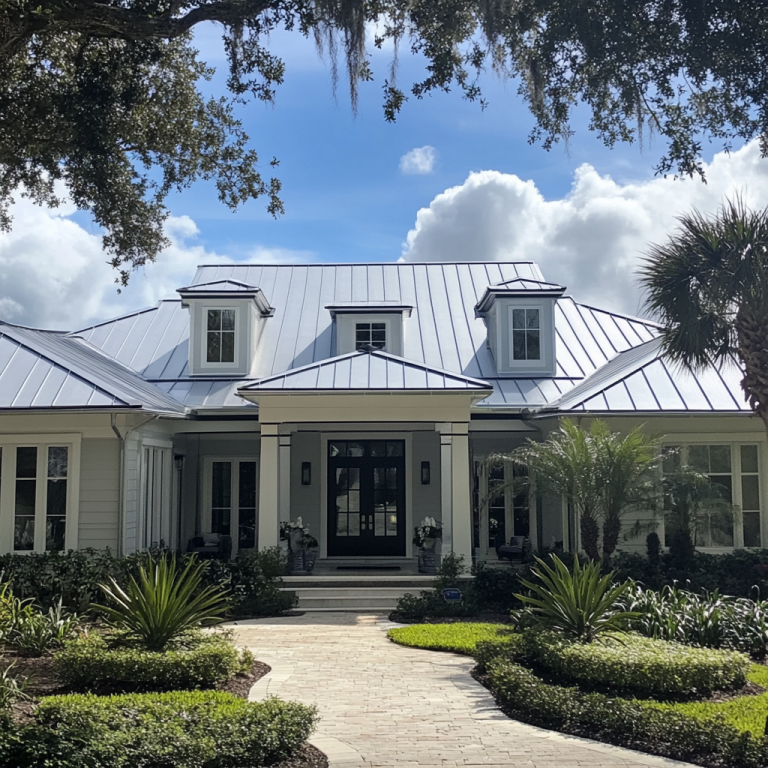
The Lifespan of Metal Roofing: What You Need to Know
When evaluating the lifespan of metal roofing, consider both material type and installation precision. Galvanized steel offers a 30 to 50-year lifespan, while aluminum lasts

When evaluating the lifespan of metal roofing, consider both material type and installation precision. Galvanized steel offers a 30 to 50-year lifespan, while aluminum lasts
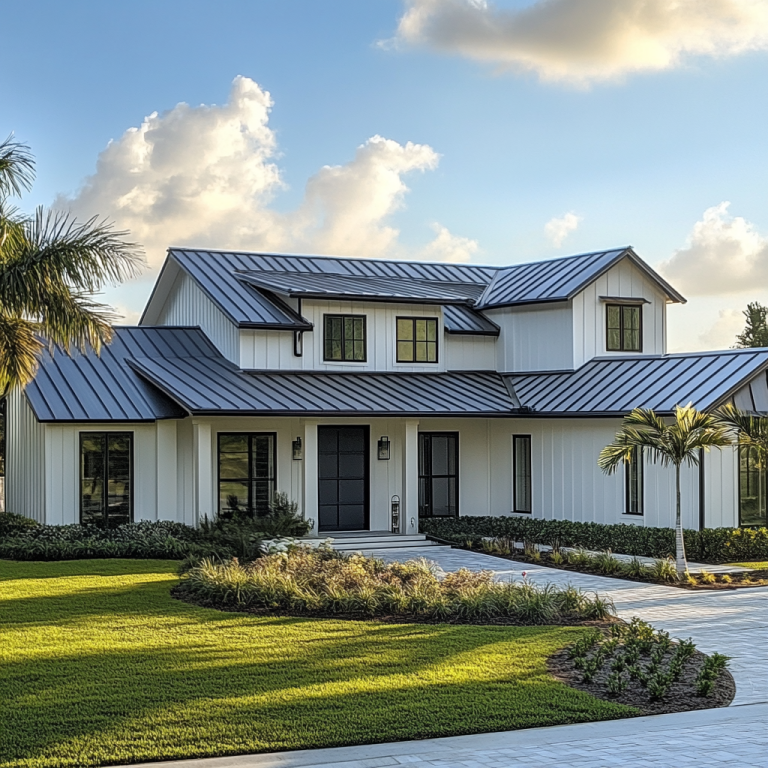
You’re probably aware of several myths surrounding metal roofing, but let’s clarify these misconceptions. Modern metal roofs are designed with advanced installation methods that minimize
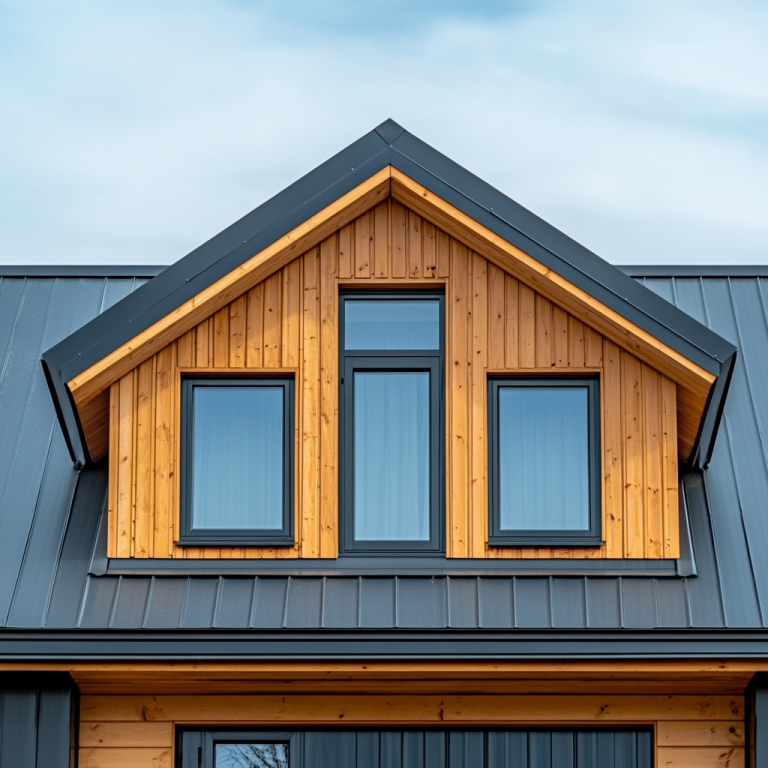
Opting for metal roofing in South Florida elevates your property value by enhancing curb appeal, offering a sleek, modern look with customizable options. With wind
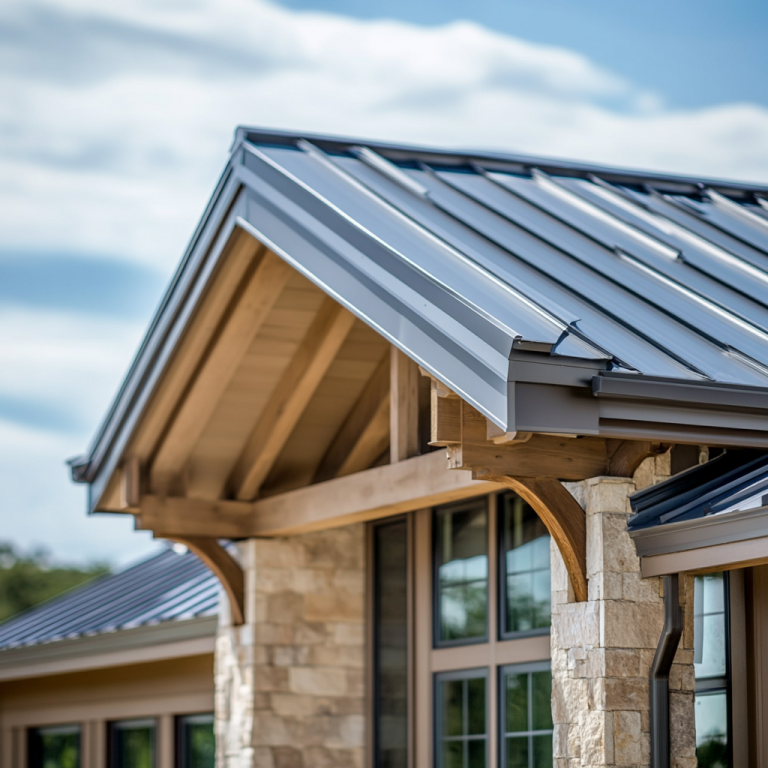
Working with a local metal roofing supplier offers benefits tailored to your specific regional needs, such as personalized customer service and climate-specific solutions. These suppliers
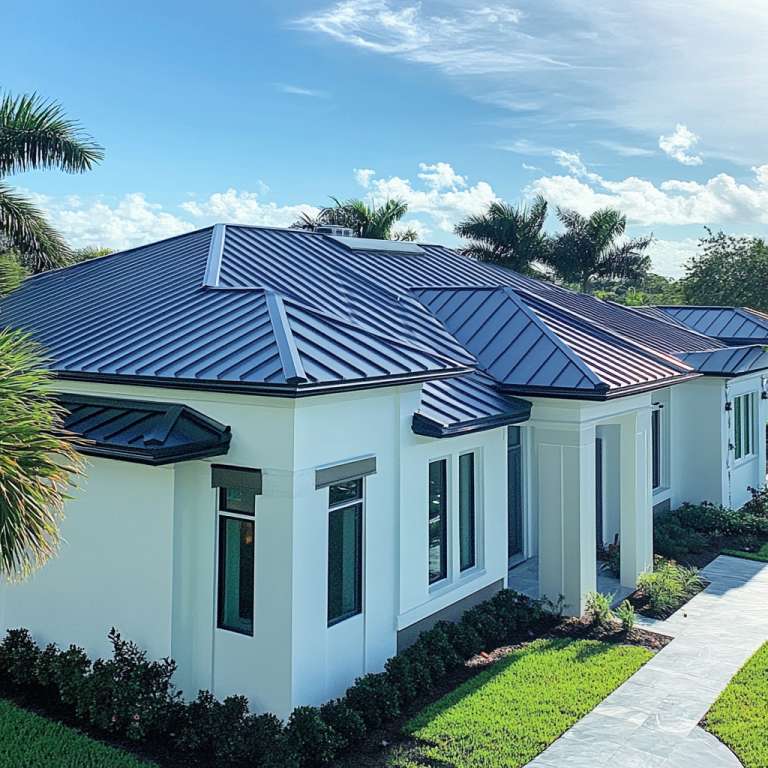
To choose the right metal roofing supplier, start by evaluating their reputation and industry experience—look for memberships in associations like the MCA, which signal quality
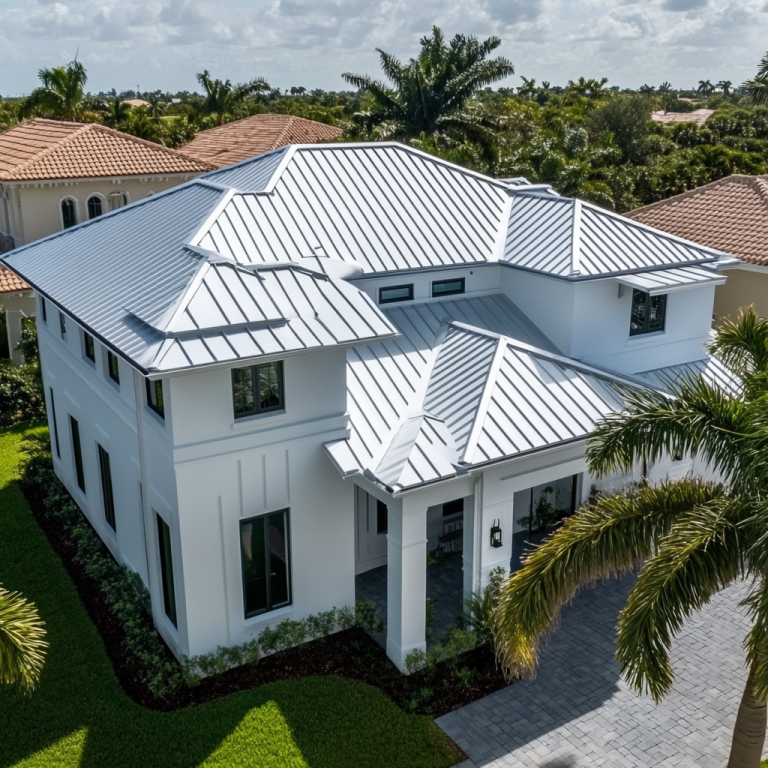
You’ll find that contractors often choose trusted metal roofing suppliers due to their unwavering reliability in material supply, which guarantees projects stay on track without
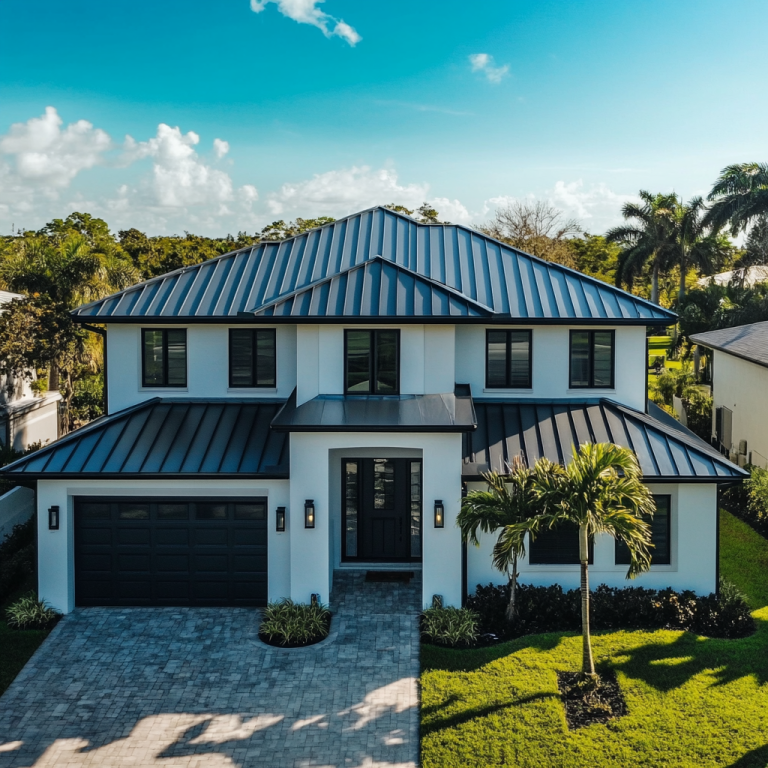
You’ll appreciate the durability of metal roofing in Florida’s demanding climate. Metal roofs typically last 40 to 70 years due to rust-resistant materials that resist

When selecting a metal roof color in South Florida, prioritize aesthetics and energy efficiency. Slate gray stands out for versatility and elegance, effortlessly matching different
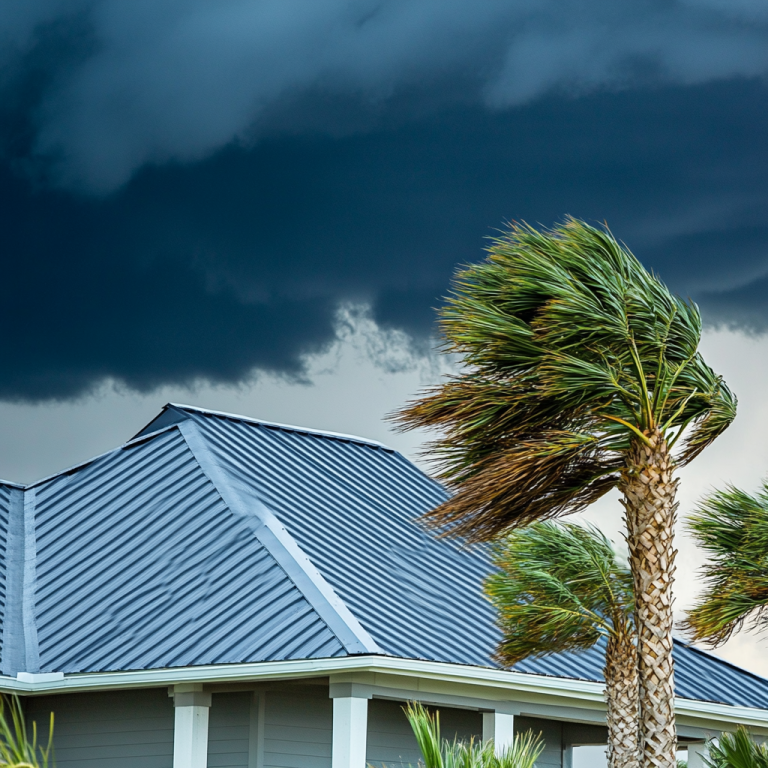
To hurricane-proof your home, consider a metal roof for its unmatched wind and impact resistance. These roofs endure winds over 140 mph due to their
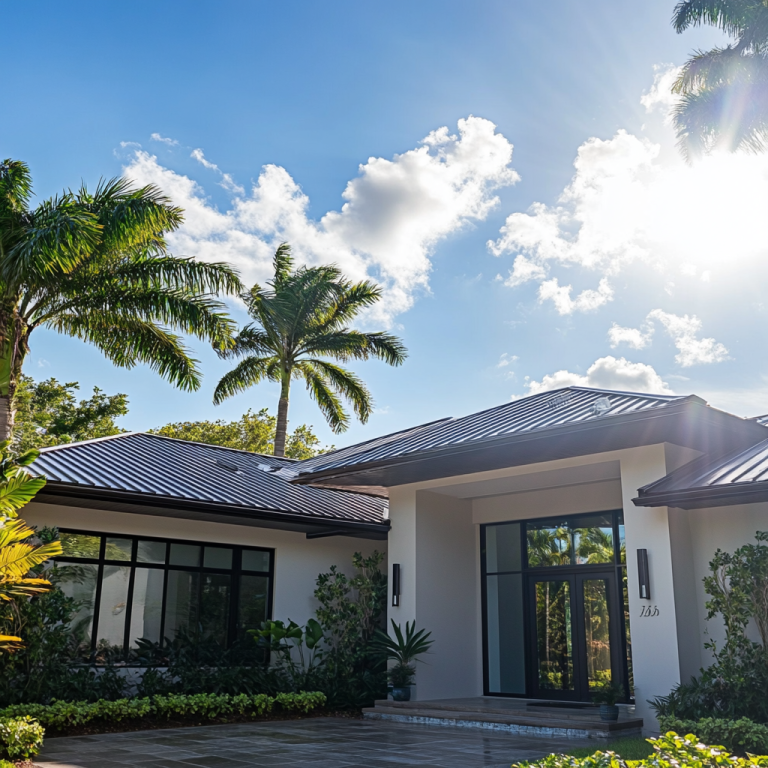
In Florida’s intense climate, installing a metal roof offers significant advantages. You’ll gain exceptional durability as these roofs withstand hurricane-force winds and resist rot, mold,
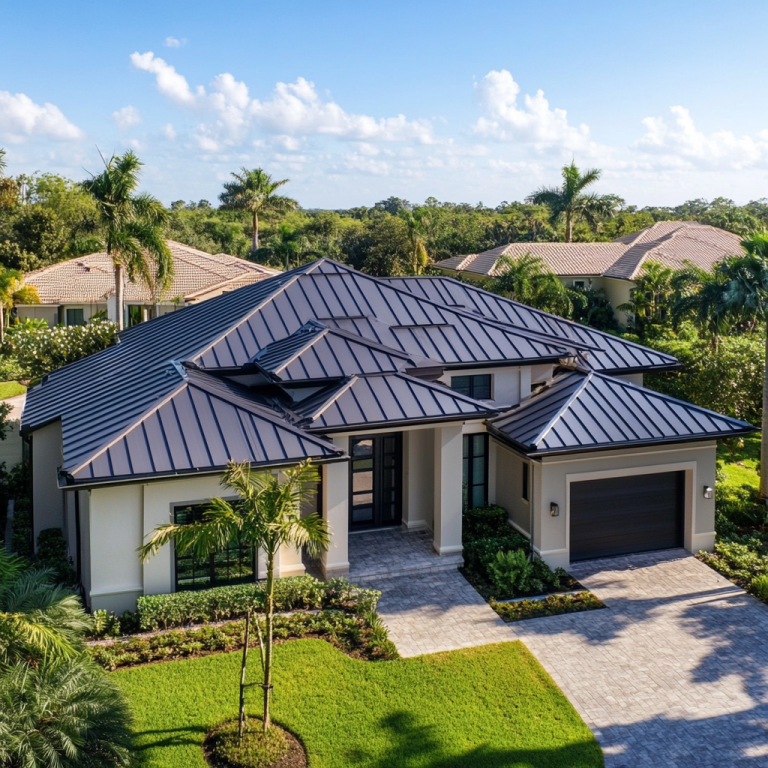
Choosing the best metal roof color for your home starts with evaluating your climate; lighter shades reflect heat, reducing cooling costs, while darker tones might
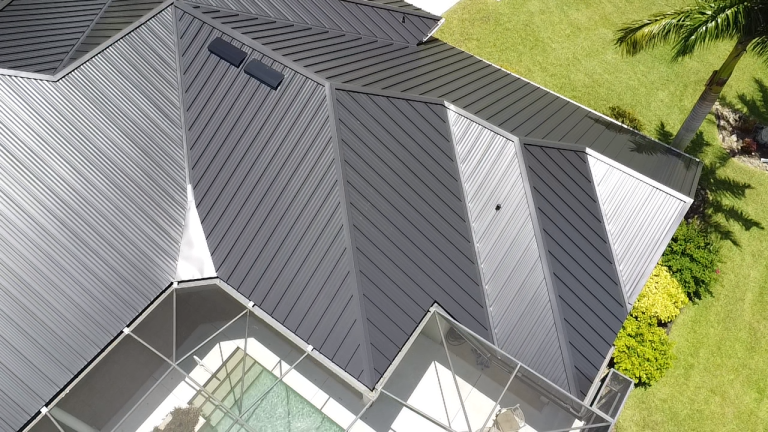
Standing seam metal roofing stands as a remarkable innovation in the realm of residential roofing, bringing with it a multitude of advantages for homeowners seeking
Metal roofing materials come in various types, each offering unique benefits and applications. Understanding these materials is crucial for homeowners and builders to make informed decisions that align with their specific needs and preferences.
Common types of metal roofing include steel, aluminum, copper, and zinc, each with distinct properties. For instance, steel is known for its strength and affordability, while aluminum is lightweight and resistant to corrosion, making it ideal for coastal areas. Copper, though more expensive, provides a classic aesthetic and durability, and zinc is favored for its longevity and low maintenance requirements.
When considering metal roofing, it's essential to understand the cost implications, which can vary significantly based on material choice, installation complexity, and long-term savings. While the initial investment may be higher than traditional roofing options, the durability and energy efficiency of metal roofs often lead to lower lifetime costs.
For example, metal roofs can last 40 to 70 years with minimal maintenance, reducing the need for frequent replacements. Additionally, their energy efficiency can lower heating and cooling costs, making them a financially sound choice over time. Homeowners should weigh these factors against their budget to determine the best roofing solution for their needs.
Proper maintenance is key to ensuring the longevity and performance of metal roofing systems. Regular inspections and upkeep can prevent minor issues from escalating into costly repairs, helping homeowners maximize their investment.
Homeowners should clean their metal roofs at least twice a year to remove debris and prevent rust formation. Additionally, checking for loose fasteners, signs of corrosion, and ensuring proper drainage can significantly extend the lifespan of the roof. Engaging a professional for periodic inspections can also provide peace of mind and ensure that any potential problems are addressed early.
The metal roofing industry is continually evolving, with innovations that enhance performance, aesthetics, and sustainability. Staying informed about these advancements can help homeowners choose the most suitable options for their projects.
Recent developments include energy-efficient coatings that reflect sunlight, reducing heat absorption and lowering cooling costs. Additionally, advancements in manufacturing techniques have led to lighter, more durable materials that are easier to install. Eco-friendly options, such as recycled metal roofing, are also gaining popularity, appealing to environmentally conscious consumers.