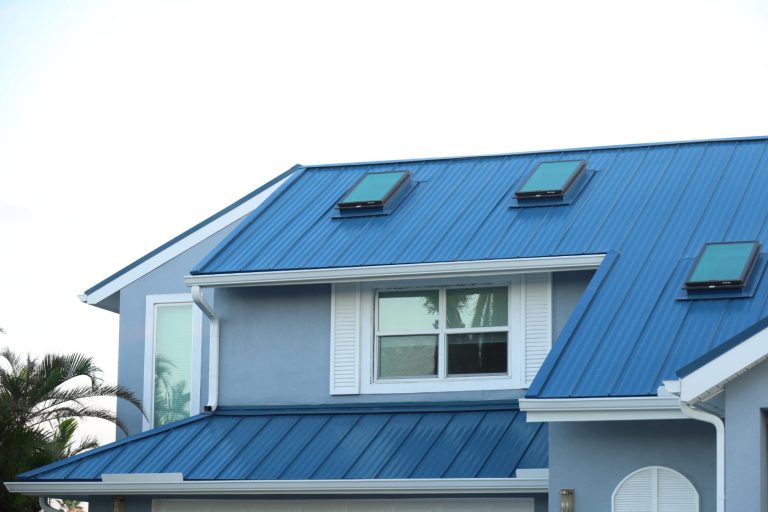
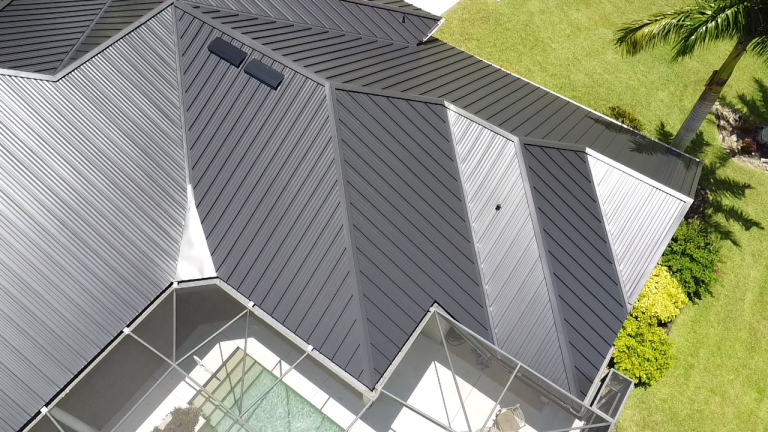
Benefits of Metal Roofing
Metal roofing offers numerous advantages, making it an appealing choice for both residential and commercial properties. Its durability, energy efficiency, and low maintenance requirements set it apart from traditional roofing materials.
For instance, metal roofs can last 40-70 years, significantly outlasting asphalt shingles, which typically need replacement every 15-20 years. Additionally, they reflect solar radiant heat, which can reduce cooling costs by 10-25% in warm climates, making them an eco-friendly option.
Types of Metal Roofing Materials
Understanding the different types of metal roofing materials available is essential for making an informed decision. Common options include steel, aluminum, copper, and zinc, each offering unique benefits and aesthetic qualities.
For example, galvanized steel is known for its strength and affordability, while aluminum is lightweight and resistant to corrosion, making it ideal for coastal areas. Copper, although more expensive, provides a distinctive look and develops a beautiful patina over time.
Installation Process for Metal Roofing
The installation process for metal roofing requires careful planning and execution to ensure a long-lasting and effective roof. Hiring experienced professionals can make a significant difference in the outcome of the installation.
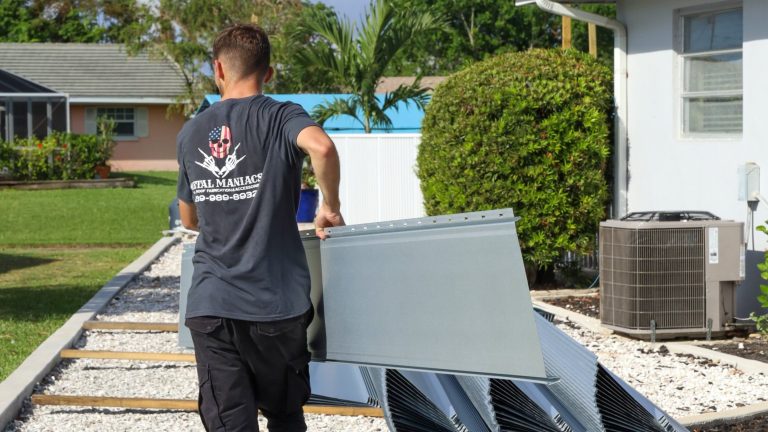
Typically, the installation involves preparing the roof deck, installing underlayment, and then securing the metal panels. Proper sealing and flashing are crucial to prevent leaks and ensure the roof's integrity over time.
Maintenance Tips for Metal Roofs
While metal roofs are low maintenance, regular upkeep can extend their lifespan and maintain their appearance. Simple tasks such as cleaning debris and checking for rust can help preserve the roof's quality.
It's recommended to inspect the roof at least twice a year and after severe weather events. Keeping gutters clear and ensuring that there are no obstructions can prevent water pooling and potential damage.