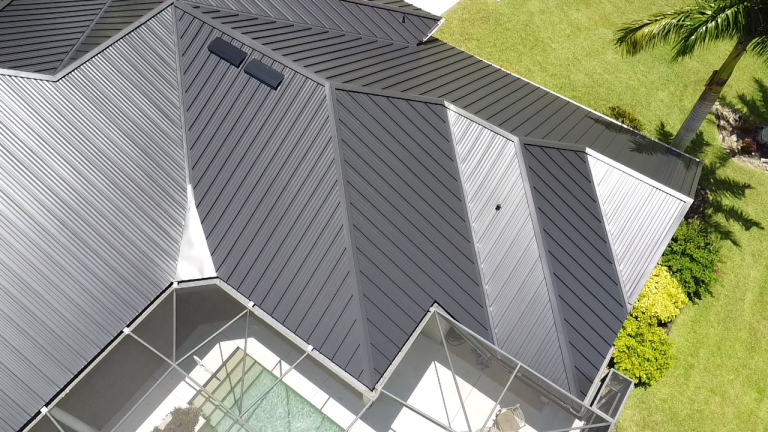
Benefits of Energy-Efficient Metal Roofing
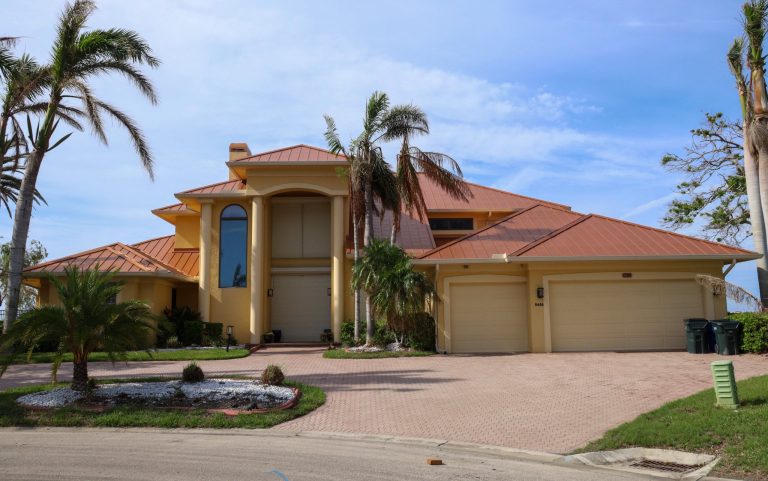
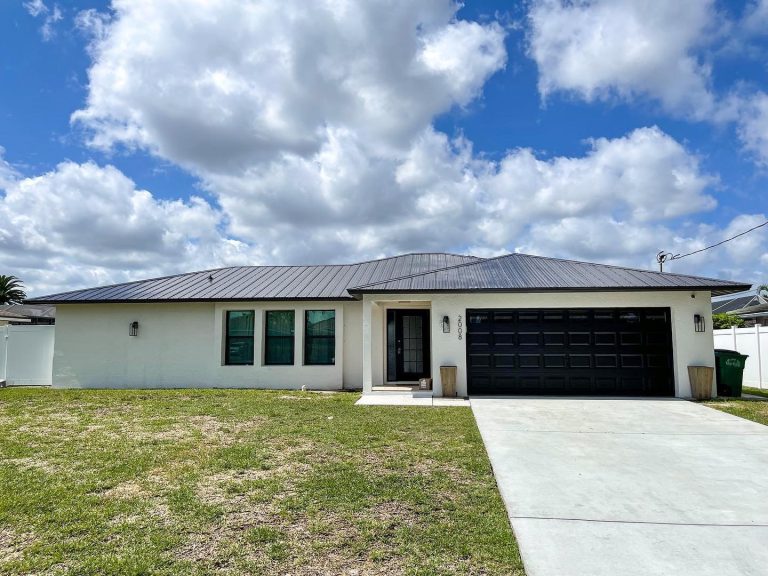
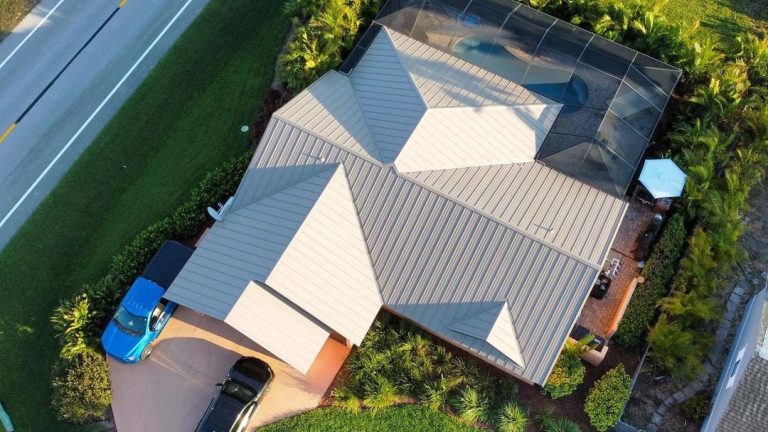
Energy-efficient metal roofing offers significant advantages for homeowners looking to reduce their energy bills and environmental impact. By reflecting solar heat, these roofs help maintain a cooler indoor temperature, which can lead to lower air conditioning costs during hot months.
In addition to cost savings, energy-efficient metal roofs contribute to sustainability efforts. Many manufacturers produce these materials with recycled content, and their durability ensures they last longer than traditional roofing options, reducing the need for frequent replacements and waste.
Innovations in Metal Roofing Technology
The metal roofing industry is continually evolving, with new technologies enhancing the performance and aesthetics of these materials. Innovations such as cool roofing coatings and advanced insulation techniques improve energy efficiency and extend the lifespan of metal roofs.
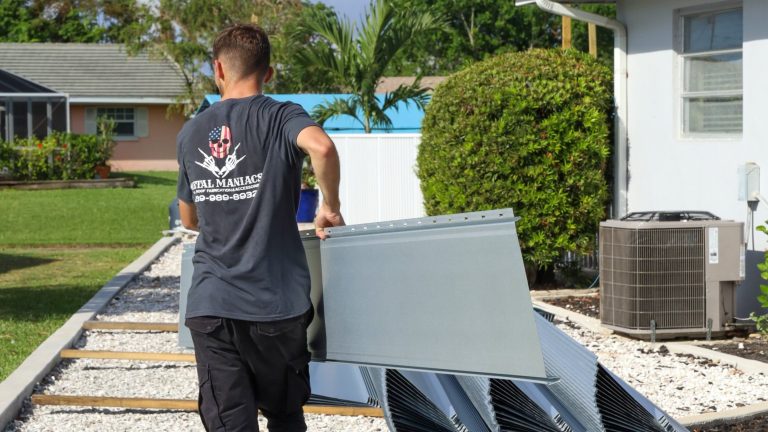
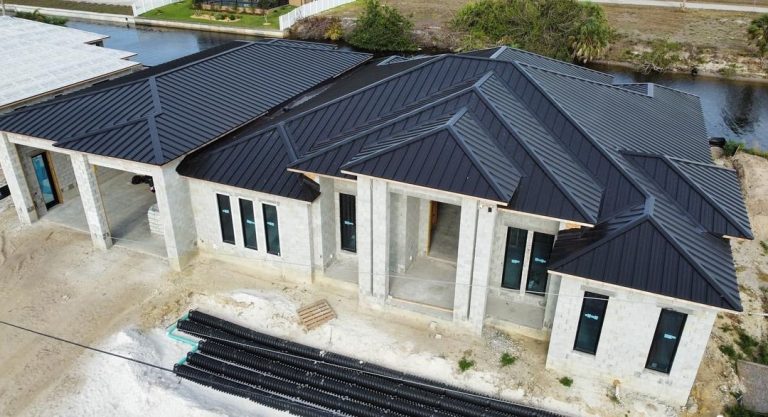
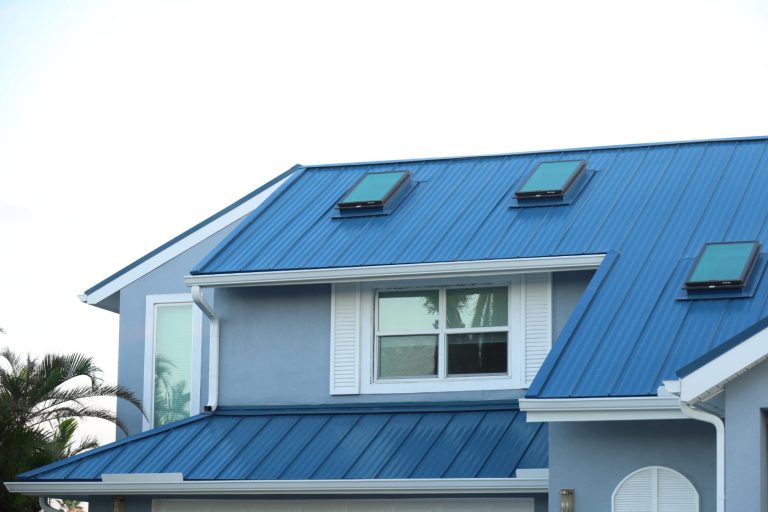
Additionally, manufacturers are developing lightweight materials that maintain strength and durability while making installation easier and more cost-effective. These advancements not only improve functionality but also offer homeowners a wider variety of styles and colors to choose from.
Common Misconceptions About Metal Roofing
Despite its growing popularity, metal roofing is often surrounded by misconceptions that can deter homeowners from considering it. One prevalent myth is that metal roofs are noisy during rain or hail, whereas modern metal roofing systems are designed with insulation that significantly reduces sound transmission.
Another common misunderstanding is that metal roofs are prone to rust and corrosion. In reality, most metal roofing products are coated with protective finishes that enhance their durability and resistance to the elements, ensuring a long-lasting investment for homeowners.
Choosing the Right Metal Roofing Material
Selecting the appropriate metal roofing material is crucial for achieving optimal performance and aesthetic appeal. Options such as steel, aluminum, and copper each have unique properties that cater to different needs and preferences.
For instance, galvanized steel is known for its strength and affordability, while aluminum is lightweight and resistant to corrosion, making it ideal for coastal areas. Homeowners should consider factors such as climate, budget, and design preferences when choosing the best metal roofing material for their home.