Understanding Metal Roofing Installation: A Step-by-Step Guide
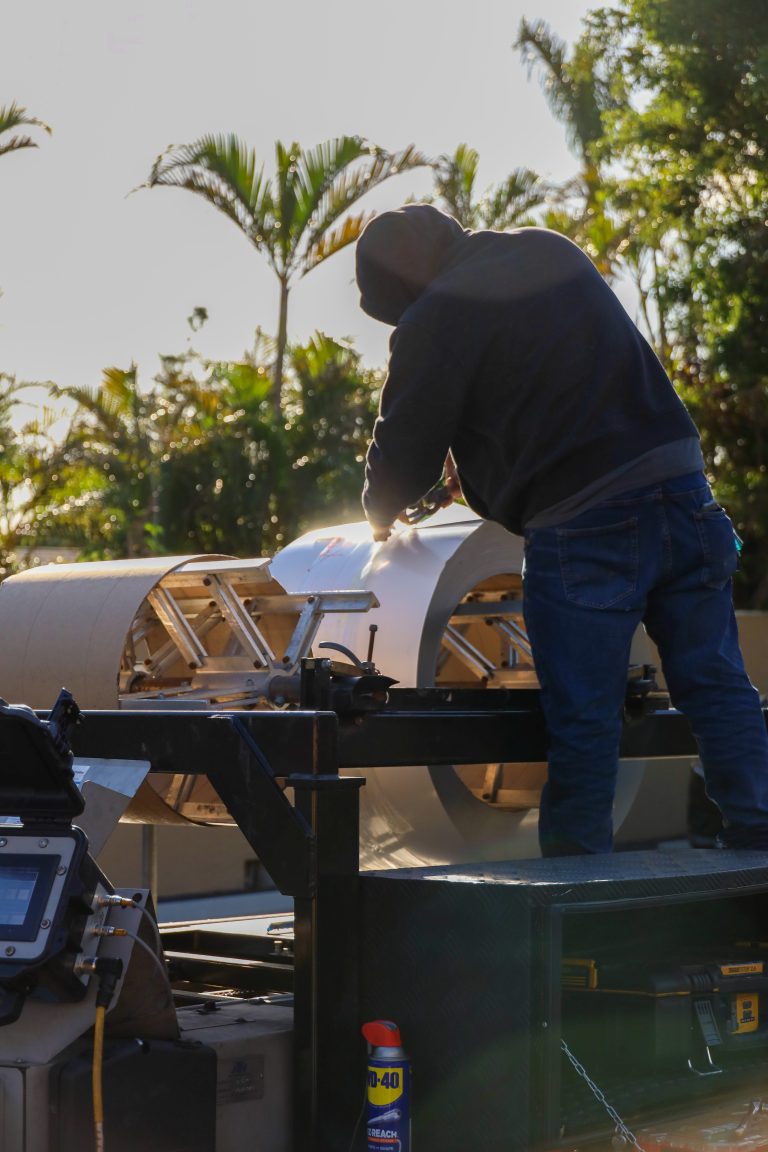
Installing a metal roof requires careful planning and execution to ensure longevity and performance. This step-by-step guide walks you through the essential phases of the installation process, from preparing the roof deck to securing the metal panels in place.
Each installation phase is critical; for instance, proper underlayment installation can prevent moisture issues, while correct panel alignment ensures a seamless finish. Engaging with experienced installers can also enhance the overall quality of the project, ensuring that the roof withstands Florida’s unique climate challenges.
Maintenance Tips for Metal Roofs: Ensuring Longevity and Performance
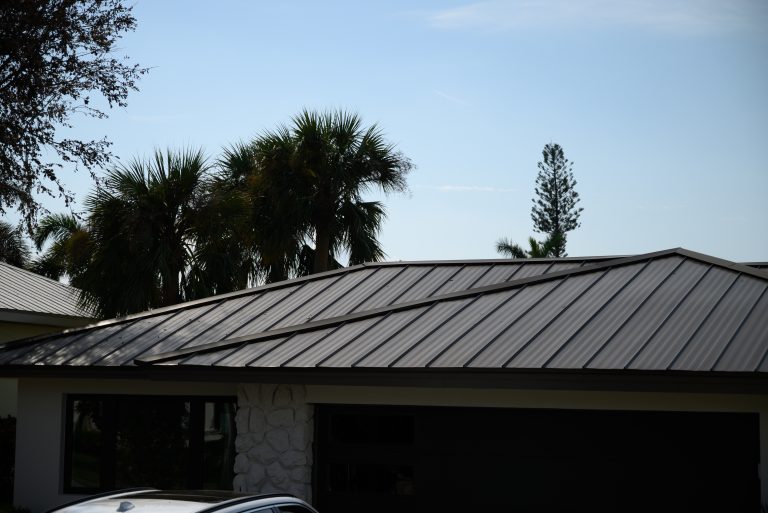
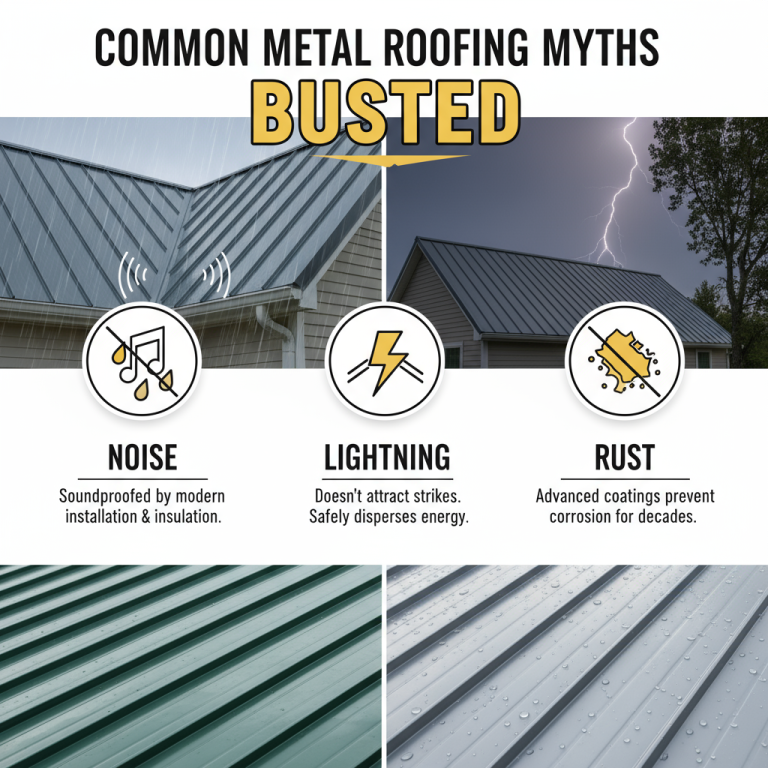
Regular maintenance is key to maximizing the lifespan of your metal roof. Simple practices such as cleaning debris, checking for rust, and ensuring proper drainage can significantly extend the life of your roofing system.
For instance, homeowners should schedule annual inspections to catch any potential issues early. Additionally, applying protective coatings can help prevent corrosion, especially in coastal areas where salt exposure is prevalent.
Comparing Metal Roofing Materials: Aluminum vs. Steel
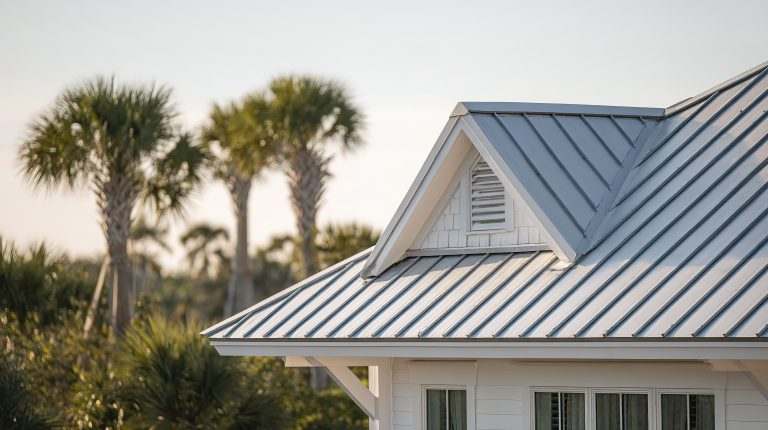
When selecting a metal roofing material, aluminum and steel are two of the most popular options, each offering distinct advantages. Aluminum is lightweight and resistant to corrosion, making it ideal for coastal environments, while steel provides superior strength and durability.
Homeowners should consider factors such as local weather conditions and budget when making their choice. For example, while aluminum may be more expensive upfront, its long-term resistance to rust can lead to lower maintenance costs over time.
Innovative Trends in Metal Roofing Design
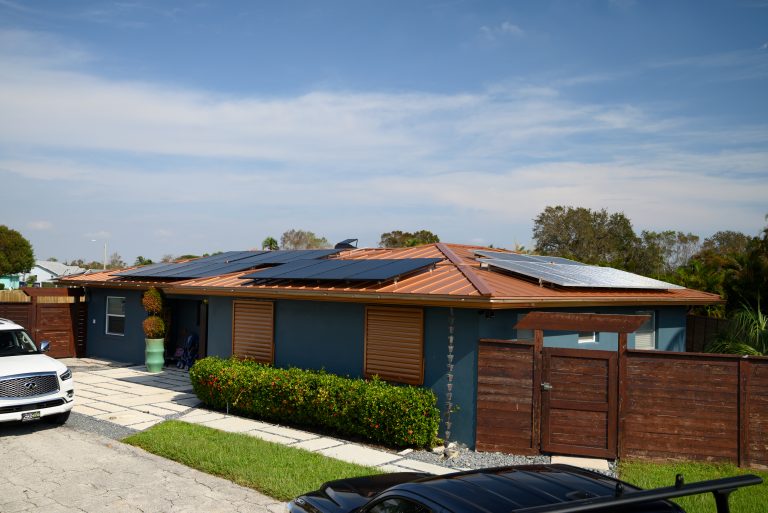
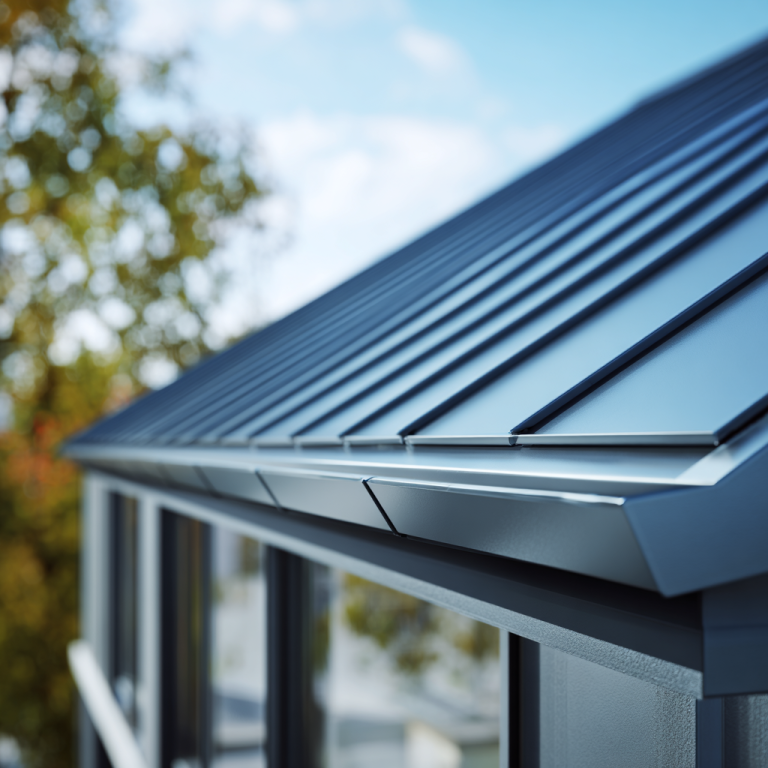
The metal roofing industry is evolving with innovative design trends that not only enhance aesthetics but also improve functionality. From bold colors to unique panel profiles, modern metal roofs are becoming a staple in contemporary architecture.
Additionally, advancements in manufacturing technology have led to more energy-efficient options, such as reflective coatings that reduce heat absorption. These trends are particularly appealing to homeowners looking to combine style with sustainability in their roofing projects.