Understanding the Cost of Standing Seam Metal Roofs
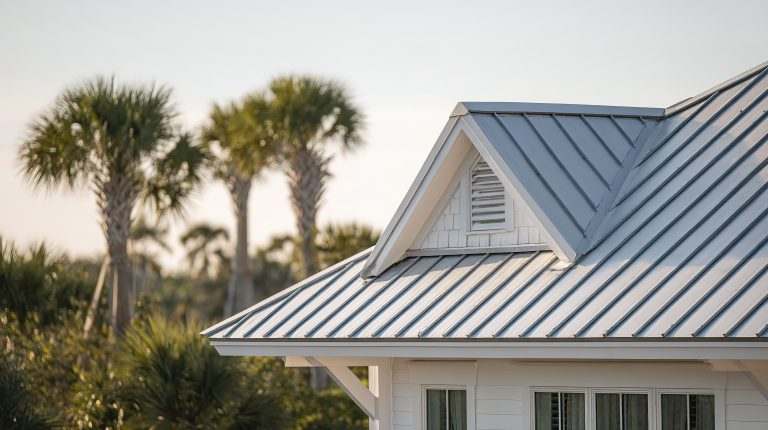
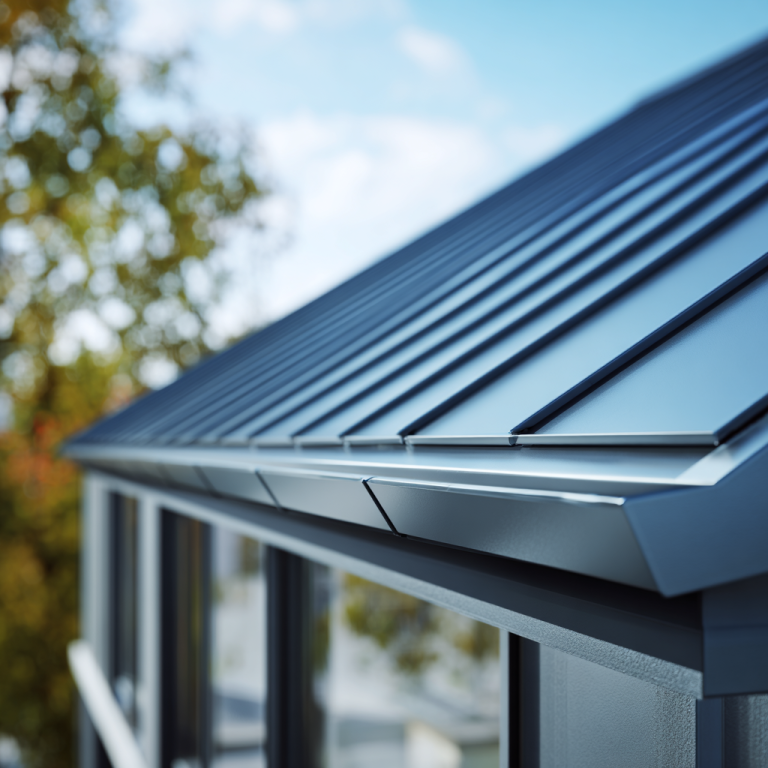
When considering a standing seam metal roof, understanding the associated costs is crucial. The price can vary based on factors such as material choice, roof size, and installation complexity. Homeowners and contractors alike should prepare for an initial investment that, while higher than traditional roofing, offers long-term savings through durability and energy efficiency.
For example, the average cost of a standing seam metal roof can range from $7 to $12 per square foot, depending on the grade of metal and local labor rates. Additionally, the longevity of metal roofs, often exceeding 50 years, means that the upfront costs can be offset by reduced maintenance and replacement expenses over time.
Comparing Metal Roofing Materials: Aluminum vs. Steel
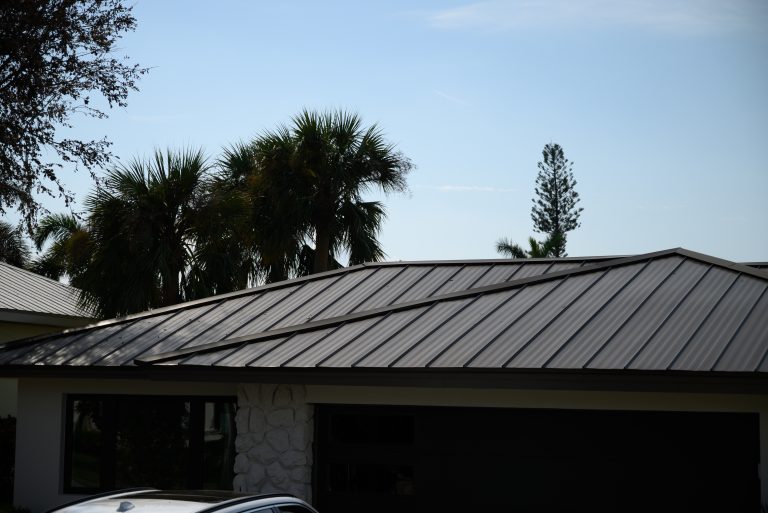
Choosing the right metal for roofing is essential for ensuring longevity and performance. Aluminum and steel are two popular options, each with distinct advantages. Aluminum is lightweight and resistant to corrosion, making it ideal for coastal areas, while steel offers superior strength and durability, particularly in high-wind regions.
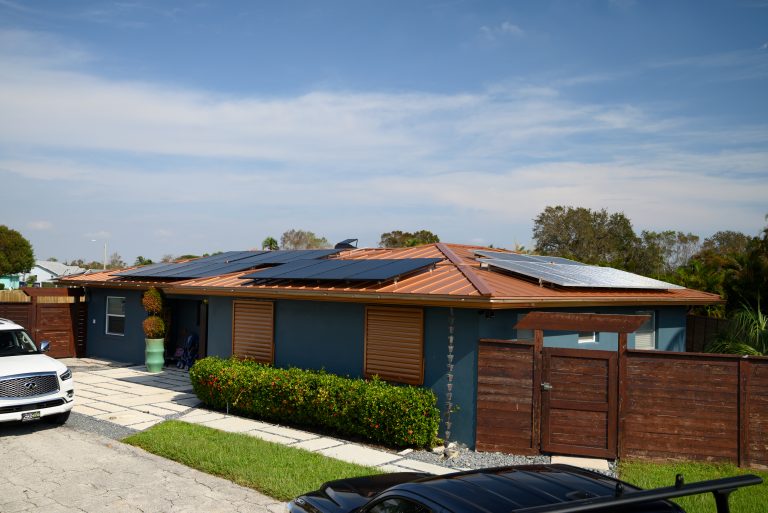
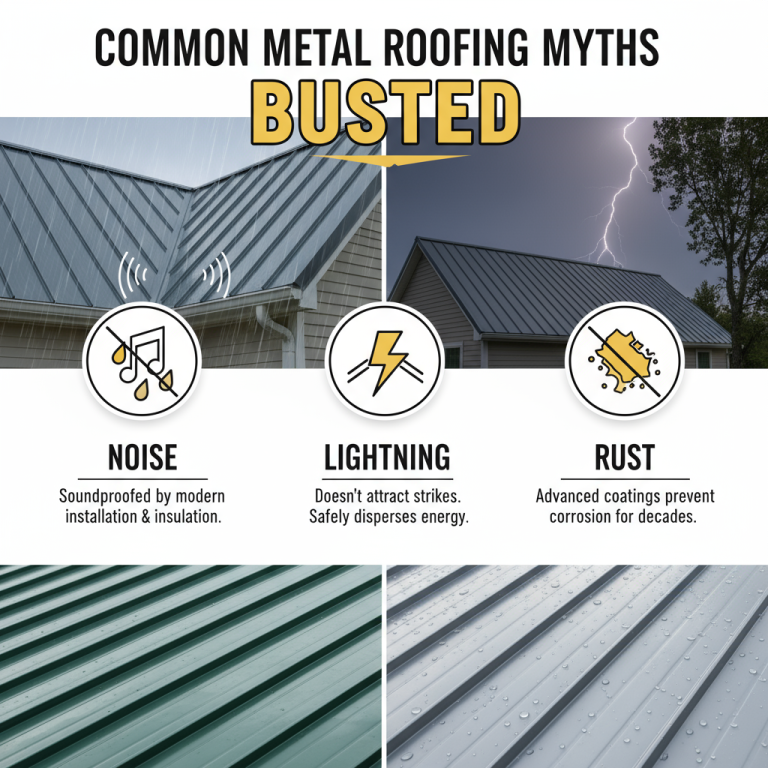
Moreover, the choice between aluminum and steel can affect the overall cost and maintenance of the roof. Steel roofs are often galvanized to prevent rust, while aluminum naturally resists corrosion. Understanding these differences can help homeowners and contractors make informed decisions based on their specific environmental conditions and budget constraints.
Installation Tips for Standing Seam Metal Roofs
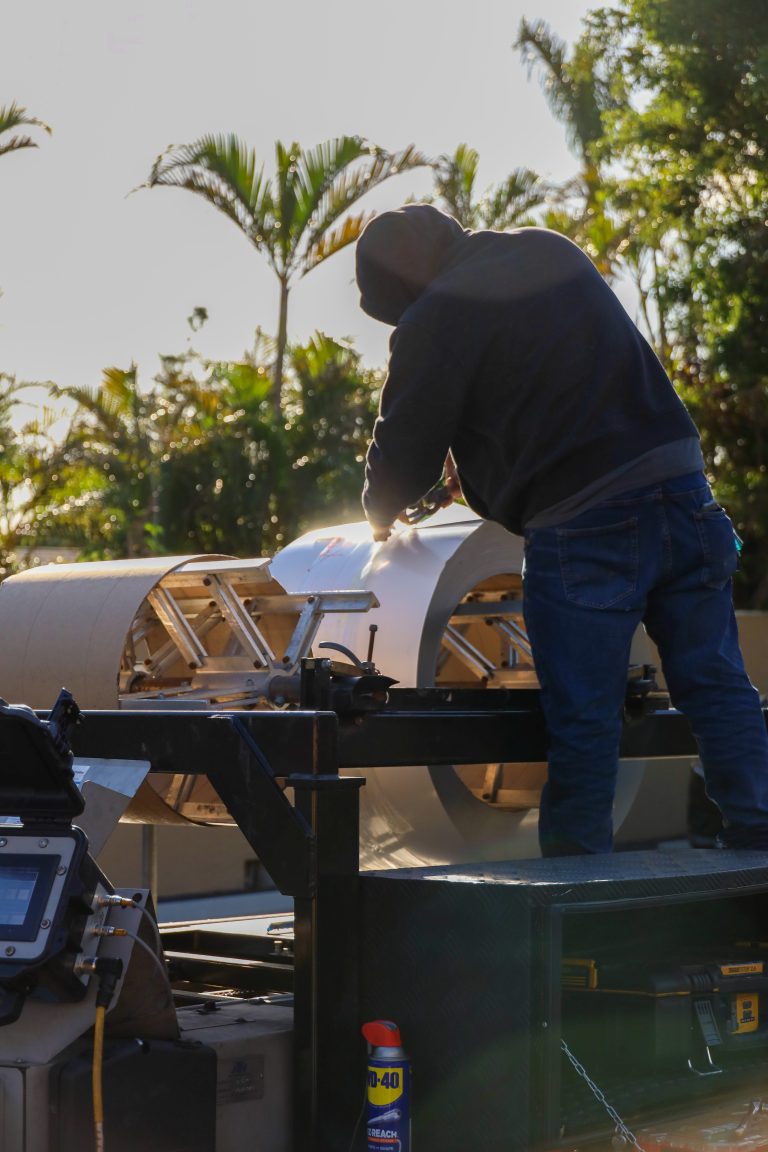
Proper installation is key to maximizing the benefits of standing seam metal roofs. Contractors should ensure that the roof deck is clean, dry, and properly aligned before installation begins. Additionally, utilizing the correct fasteners and sealing methods is critical to prevent leaks and ensure the roof's longevity.
For instance, it's advisable to use concealed fasteners that allow for thermal expansion and contraction, which is vital in areas with significant temperature fluctuations. Following manufacturer guidelines and local building codes will also enhance the roof's performance and warranty coverage.
Maintenance Best Practices for Metal Roofs
Maintaining a metal roof is essential for its longevity and performance. Regular inspections should be conducted to check for loose panels, rust spots, and debris accumulation. Addressing minor issues promptly can prevent costly repairs down the line.
Additionally, cleaning the roof periodically with a gentle wash can help maintain its appearance and functionality. Homeowners should avoid using harsh chemicals or pressure washers, which can damage the protective coatings on the metal. Following these maintenance practices will ensure that the roof remains in optimal condition for many years.